
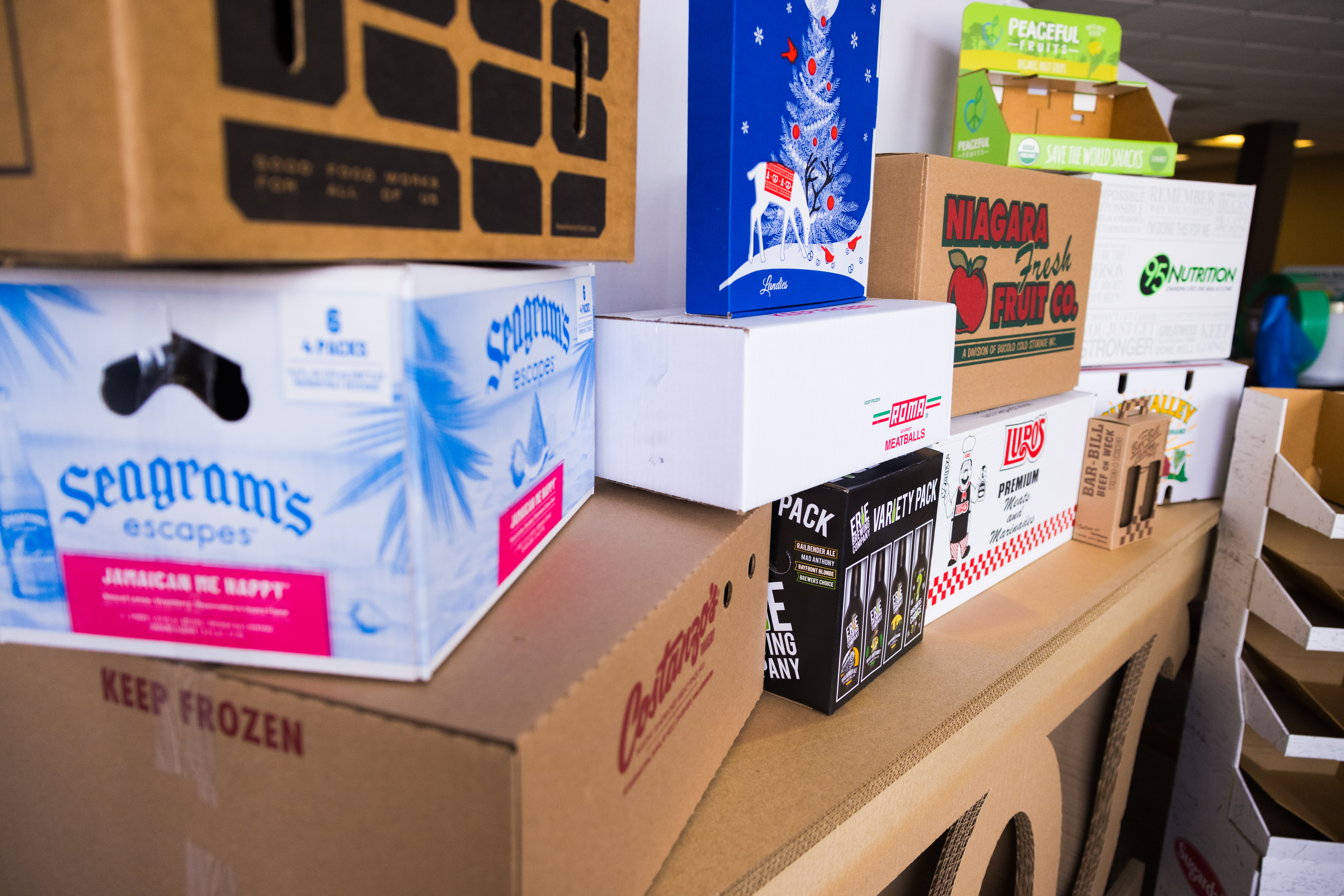
The way you design your packaging has a direct impact on everything from brand perception to shipping efficiency. A well-done box design protects your product, reduces waste, and keeps customers coming back. So, it’s important to avoid common box design mistakes. Here are the pitfalls to watch for, so you can build smarter, stronger custom packaging.
Ignoring the Target Audience
One of the most important aspects of box design is creating a product that will appeal to your target audience. Match the product’s design to your demographic’s lifestyle, values, and needs. You can achieve this through visuals like color and typography, size, and ease of use, or even emotional connections like nostalgia or sustainability messaging. The right box designer will dive deep into your target audience’s preferences, helping you get the best results for your business.
Choosing the Wrong Packaging Material
Flimsy or inappropriate materials can lead to product damage and poor brand perception. It’s important to match material strength and type to your product’s weight and fragility. This includes customizing options like flute size, wall design, and more.
Flutes are the wave-like lines or arches adhered to layer(s) of linerboard. They give the linerboard extra strength and support, allowing the box to handle heavy items. They also offer extra layers of insulation, helping increase the crush-strength and puncture-resistance of your boxes. Flutes come in a variety of options:
- A-Flute: The thickest available option (32-38 flutes per foot), providing the best cushioning and vertical compression strength for fragile products.
- B-Flute: This option has 44-52 flutes per foot. It has a stiffer, flatter surface that makes it great for die cutting and printing.
- C-Flute: Has 36-41 flutes per foot and was developed as an all-purpose option. It has optimal crush resistance, stacking strength, and printing properties.
- E-Flute: Much thinner than other profiles with 74-98 flutes per foot. With a slim design and great crush resistance, it’s a more environmentally friendly alternative to folding cartons.
- F-Flute: Often referred to as a “micro-flute,” it has half the thickness of E-flute at 124-128 flutes per foot.
Want to learn more about flute sizes? Read our in-depth blog here.
Wall design revolves around choosing the right type of board. They come in a few different options, including:
- Single-Wall: One sheet of corrugated medium (flute) is glued between two sheets of liner. This is the most common type for everything from shipping boxes to retail displays.
- Double-Wall: Two sheets of corrugated medium are glued between three sheets of liner. This is commonly used for heavier products, or products that need a stronger box for shipping.
- Triple-Wall: Three sheets of corrugated medium are glued between four sheets of liner. This board is the strongest of all styles and is commonly used for industrial parts or produce bins.
Wasteful or Excessive Packaging
Oversized boxes or unnecessary fillers waste resources and increase costs. Not to mention, they can have a profound impact on the environment. Using boxes that are too large means fewer items fit on each truck. That leads to extra trips, higher fuel costs, and a larger environmental footprint. Additionally, internal fillers — like bubble wrap or packing peanuts — may not be made of sustainable materials, which has a negative impact on the environment.
Today’s consumers are looking for businesses to make great leaps toward more sustainable products and packaging. In fact, 37% of U.S. and Canadian consumers have switched brands or walked away from purchases because of unsustainable packaging. And, 80% of consumers noted that brands and retailers are guilty of using excessive or unsustainable packaging in their products. The right box design can help you cater to these consumer preferences while supporting a more sustainable ecosystem.
Create a box design that is custom-fit to your products. It allows products to fit neatly into the box, offering great protection while minimizing excess space. This way, you can optimize logistics costs and lower your dependence on filler material.
Failing to Test
Prototyping and testing box designs before mass production can help you catch issues early. The most common testing is done through the International Safe Transit Association (ISTA). It’s meant to minimize product damage by testing the integrity of the packaging throughout the design process. Going through ISTA testing can help you streamline packaging development timelines, minimize shipping and handling damage and associated costs, and increase customer satisfaction from protected products arriving intact. Learn more about this testing option here.
Work with Jamestown Container for Custom Box Design
Need help with a custom box design? The experts at Jamestown Container are here to help. Since 1956, we’ve been helping companies get the right packaging solutions for their needs. Now, we’re a multi-facility, concept-to-finished-goods custom corrugated packaging manufacturer and foam supplier. With an excellent reputation for high-quality products, we’re ready to help you with your next project.
Our design team can help you create your ideal box from start to finish. Our ISO accreditation holds us to the highest standards of manufacturing excellence. Additionally, we maintain an ISTA-certified lab to help us verify that your packaging meets your expectations. Whether you’re looking for simple brown shipping boxes or colorful retail packaging, our experts can help you overcome any packaging challenge.
Our team is also dedicated to prioritizing sustainability in everything we do. All of our locations source lightweight, recycled linerboard from the Greenpac Mill. This state-of-the-art facility is one of the largest and most advanced recycled linerboard producers in North America, with an impressive commitment to minimizing landfill waste. The linerboard is made from 100% recycled fibers and is produced using energy-efficient processes. Turn to us for high-quality, sustainable packaging solutions.
Let’s Get Started
Want to learn more about what we can do for you? Reach out to our team for an initial consultation.